
 Cart is empty

Quick Answer: How Do Daily Probiotics Transform Digestive Wellness?
Daily probiotics introduce beneficial live microorganisms into your gastrointestinal tract. Certain probiotic strains can support gut microbial balance, digestive function, and intestinal barrier health. Depending on the strains used, probiotics may help relieve specific digestive symptoms, such as occasional bloating, and support normal immune function.
The Role of the Gut Microbiome in Daily Health
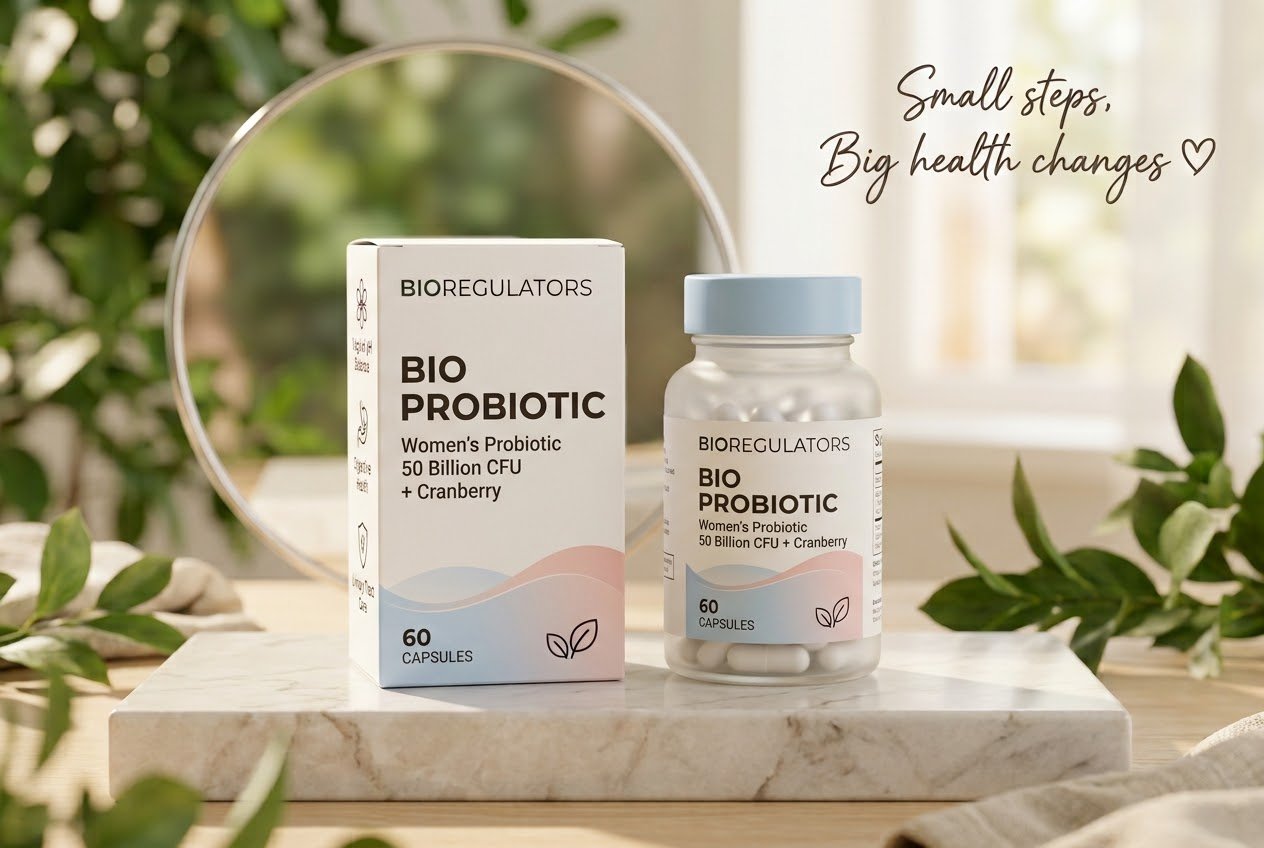
Bioregulators Women’s Probiotic
₨2,499.00Your digestive system is home to trillions of microorganisms, collectively known as the gut microbiome. This complex ecosystem influences more than digestion—it also plays a role in immune function, metabolism, and communication between the gut and brain through the gut-brain axis.
Modern lifestyles, stress, dietary changes, and antibiotic use can affect the composition of the gut microbiome, sometimes contributing to digestive discomfort. Daily probiotic supplementation may help support gut health by introducing specific beneficial strains, including Lactobacillus and Bifidobacterium. However, probiotic benefits depend on the strain, dosage, and individual needs.
Key Benefits of Bioactive Daily Probiotics
Integrating an appropriate daily probiotic formula into your wellness routine may provide targeted support for digestive health and overall well-being.
- Optimal Nutrient Utilization: A healthy gut microbiome helps break down certain food components and supports normal digestive processes. The effects of probiotics on nutrient absorption vary by strain and nutrient.
- Reduced Digestive Discomfort: Certain probiotic strains may help relieve specific symptoms, including occasional bloating, gas, and irregular bowel movements.
- Immune Defense Support: The gut plays an important role in immune function. Some probiotics may support the intestinal barrier and influence immune responses, although benefits vary across different strains.
According to the National Institutes of Health (NIH) Office of Dietary Supplements, probiotic effects depend on the specific microorganisms used, and not all probiotics provide the same health benefits.
Integrating Probiotics Into Your Daily Lifestyle
Consistency can help you establish a sustainable gut health routine. Taking your probiotic supplement at a regular time each day may make it easier to remember your daily dose.
I always advise my clients to follow the manufacturer’s instructions when taking a daily probiotic formula. Depending on the product, probiotics may be taken with food or on an empty stomach. There is no single timing recommendation that works best for every probiotic strain or formulation.
Pairing probiotic supplementation with a balanced diet rich in prebiotic fibers, such as oats, flaxseed, legumes, and fresh vegetables, can also support a healthy gut microbiome. These fibers help nourish beneficial gut microorganisms and contribute to normal digestive function.
Exploring Bioactive Digestive Solutions
When selecting gut health supplements, strain identification, product stability, and viable microorganism counts are important considerations. Exploring specialized collections—such as the advanced formulations available in the Bioregulators Product Line—can help you discover options that align with your wellness goals.https://ods.od.nih.gov/factsheets/Probiotics-HealthProfessional/
Choose products that clearly identify their probiotic strains, list the colony-forming units (CFUs), and provide appropriate storage instructions. Look for quality information that confirms the product maintains its stated potency through the end of its shelf life.
Frequently Asked Questions
How Long Does It Take for Daily Probiotics to Work?
Some people notice changes in digestive symptoms within a few days to a few weeks, while others experience little or no noticeable benefit. The timeline depends on the probiotic strain, dosage, reason for use, and individual digestive health.
Should Probiotics Be Taken on an Empty Stomach or With Food?
The best timing depends on the specific probiotic formulation. Some products are designed to be taken with food, while others recommend taking them before a meal. Always follow the manufacturer’s instructions for optimal use.
Can I Take Daily Probiotics Alongside Other Supplements?
Many people can take probiotics alongside common supplements, such as multivitamins, Omega-3 fatty acids, or Vitamin D3+K2. However, individual health conditions and medications may affect what is appropriate. Consult a healthcare professional if you have concerns or take prescription medication.
What Should I Look for in a Daily Probiotic Supplement?
Look for clearly identified probiotic strains, an appropriate CFU count, transparent ingredient labeling, and storage instructions. Choose a reputable manufacturer that provides quality testing and confirms the product’s viability through its stated shelf life.
Important Note: Probiotics are not necessary for everyone, and their benefits are strain-specific. People who are seriously ill or have weakened immune systems should consult a healthcare professional before using probiotic supplements.
Leave A Comment