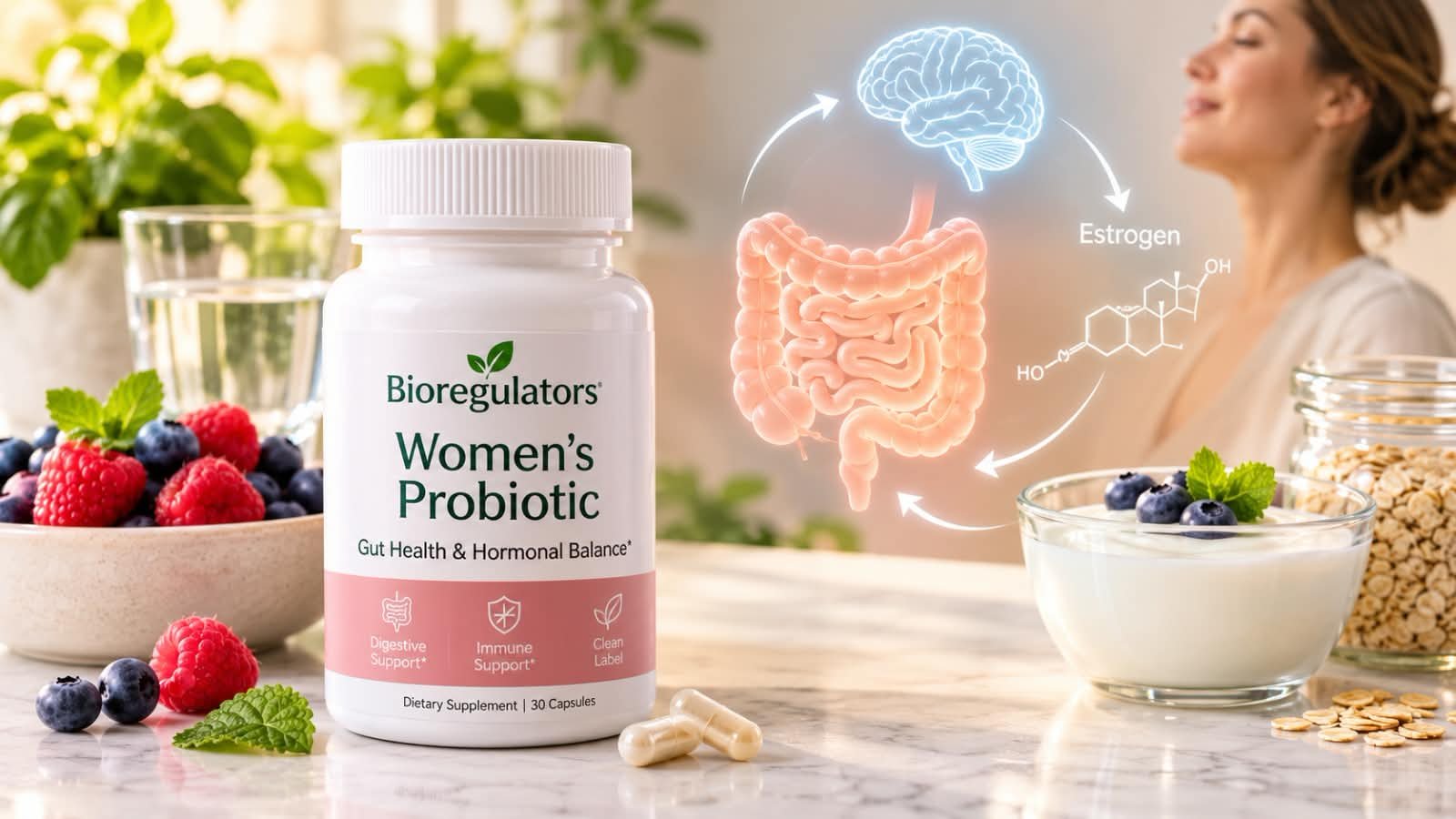
Bioregulators women's probiotic supplement with gut microbiome illustration, representing the connection between gut health, estrogen metabolism, and hormonal health in women.

The Silent Stressor: How Gut Imbalance Triggers Hormonal Fluctuations in Women

Hormonal health is not determined by the ovaries alone. Gut health and hormones are connected through a complex biological relationship involving intestinal bacteria, estrogen metabolism, immune signalling and the body’s natural detoxification pathways.

A woman may notice digestive discomfort, bloating or changes in her menstrual experience while also navigating hormonal transitions. Although these symptoms do not necessarily share one cause, emerging research suggests that the gut microbiome deserves greater attention in conversations about women’s hormonal health.

One particularly interesting discovery is the estrobolome: a collection of gut microbial genes involved in processing estrogen.

Understanding this connection helps explain why maintaining a healthy intestinal environment matters beyond digestion.

The Gut–Hormone Connection: More Than Digestion

The gut is home to a diverse community of microorganisms collectively known as the gut microbiome. These microorganisms participate in several physiological processes, including:

  • Breaking down dietary components.
  • Producing short-chain fatty acids.
  • Supporting intestinal barrier function.
  • Communicating with the immune system.
  • Metabolising certain hormones and other biological compounds.

The relationship works in both directions. Hormones can influence the intestinal environment, while microbial activity can influence how the body processes certain hormones.

This is particularly relevant to estrogen, one of the major reproductive hormones in women.

However, an important distinction matters: gut bacteria do not produce the ovarian hormones responsible for the menstrual cycle. Instead, they can influence how the body processes and recycles estrogen after it has been produced.

That distinction is central to understanding the science.

Meet the Estrobolome: The Missing Link in Estrogen Metabolism

The estrobolome is the collection of bacterial genes in the gut involved in estrogen metabolism.

Researchers have identified microbial enzymes, particularly beta-glucuronidase (β-glucuronidase), that participate in the processing of estrogen compounds.

To understand why this matters, consider what happens after estrogen circulates through the body.

The liver metabolises estrogen through processes such as glucuronidation. This makes certain estrogen metabolites more water-soluble, allowing them to be transported into bile and delivered to the intestine.

Once in the intestinal environment, bacterial enzymes can remove the glucuronide group from some of these compounds.

This process is called deconjugation.

The resulting estrogen compounds may become available for intestinal reabsorption and return to circulation through the portal blood and liver.

This process is known as enterohepatic circulation.

Why does this matter?

Because microbial enzyme activity can influence how much estrogen is recycled rather than eliminated.

A change in the composition or function of the gut microbiome may therefore affect estrogen availability.

However, this does not mean that higher or lower bacterial activity automatically produces an unhealthy estrogen level. The relationship is more complex and depends on several host and microbial factors.

Research published in Molecular Nutrition & Food Research in 2024 discusses these mechanisms and the role of gut bacteria in estrogen and phytoestrogen metabolism.

How Gut Imbalance May Influence Hormonal Regulation
Gut microbiome imbalance, often called dysbiosis, refers to changes in microbial composition or function that may negatively affect normal intestinal processes.

It is not a single diagnosis, and there is no universal microbiome profile that defines perfect gut health.

Nevertheless, several biological pathways deserve attention.

1. Altered Estrogen Recycling

Changes in microbial beta-glucuronidase activity may influence the amount of conjugated estrogen that is converted back into a form available for absorption.

If this process changes, estrogen metabolism and circulating estrogen availability may also be affected.

Importantly, the effect is not always predictable. The goal should not be to suppress or increase this enzyme indiscriminately.

The objective is to understand the wider metabolic environment.

2. Reduced Production of Beneficial Microbial Metabolites

Certain intestinal bacteria ferment dietary fibres and produce short-chain fatty acids (SCFAs), including:

  • Acetate
  • Propionate
  • Butyrate

Butyrate is particularly important because it serves as an energy source for colonocytes, the cells lining the colon.

These metabolites also participate in intestinal barrier maintenance, immune regulation and metabolic signalling.

When dietary fibre intake is consistently inadequate or microbial diversity is disrupted, the production of these metabolites may change.

This can influence the intestinal environment and contribute to inflammatory signalling.

3. Intestinal Barrier and Immune Function

The intestinal barrier controls what passes from the digestive tract into the body’s internal environment.

It consists of epithelial cells, mucus, immune components and supporting structures.

When this barrier becomes compromised, microbial products such as lipopolysaccharides (LPS) may interact more extensively with immune pathways.

This can contribute to inflammatory responses.

Although inflammation and hormonal regulation interact, it would be inaccurate to claim that intestinal permeability directly causes estrogen imbalance in every woman.

The relationship requires further clinical investigation.

Why Women’s Hormones and Gut Microbiome Change Together

Hormonal patterns naturally change throughout a woman’s life.https://pubmed.ncbi.nlm.nih.gov/?term=From+Gut+to+Hormones+Unraveling+the+Role+of+Gut+Microbiota&utm_source=chatgpt.com

The menstrual cycle, pregnancy, postpartum changes and menopause all involve different endocrine environments.

Estrogen itself can influence intestinal physiology and microbial composition. In turn, microbial metabolism may affect certain aspects of estrogen availability.

This creates a bidirectional relationship.

For example, during menopause, declining ovarian estrogen production is associated with changes in several physiological systems. Researchers are investigating whether changes in the gut microbiome contribute to some of these metabolic and inflammatory changes.

A 2025 review in The Journal of Sexual Medicine also discusses the potential role of prebiotics and probiotics in the menopausal gut microbiome.

However, the evidence is still developing.

A 2026 systematic review and meta-analysis published in Frontiers in Endocrinology found no significant differences in several major microbiome diversity measures between hypoestrogenic and comparison groups.

This finding highlights an important point: the relationship between hormones and gut bacteria is not uniform across all women.

Individual biology, age, diet, medications and other lifestyle factors matter.

What Can Support a Healthier Gut Environment?
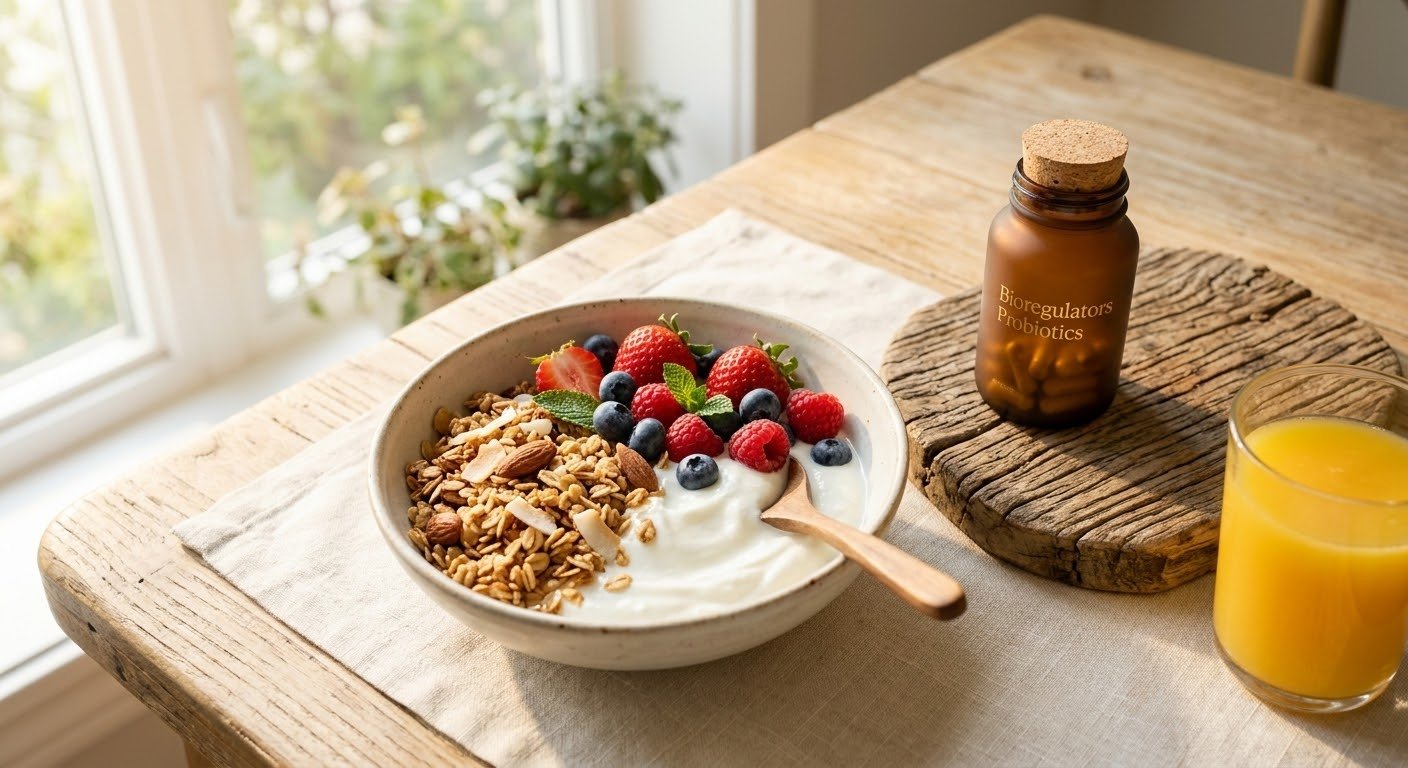
Healthy yogurt breakfast bowl next to a bottle of Bioregulators Probiotic daily supplement.

Rather than trying to manipulate estrogen through supplements, a more sensible approach is to support normal digestive and microbial function.

Our preferred starting point is a consistent, food-first approach.

Prioritise Diverse Dietary Fibre

Dietary fibre provides important substrates for intestinal bacteria.

Include a variety of foods such as:

  • Oats and whole grains.
  • Beans and lentils.
  • Vegetables and leafy greens.
  • Apples, berries and other fruits.
  • Nuts and seeds.

Different fibres support different microbial activities. Variety is generally more useful than relying on a single so-called superfood.

Include Fermented Foods Where Appropriate

Foods such as plain yoghurt and kefir can contain live microorganisms.

Their microbial content varies by product and processing method. Fermented foods should not automatically be considered equivalent to clinically studied probiotic supplements.

Maintain Consistent Daily Habits

Regular meals, adequate hydration, physical activity and sufficient sleep all contribute to general digestive and metabolic health.

No single habit can independently correct hormonal fluctuations, but consistency supports normal physiological function.

Probiotics and Hormonal Health: What Should You Look For?

Probiotics are live microorganisms that provide a health benefit when administered in adequate amounts.https://pubmed.ncbi.nlm.nih.gov/?term=estrobolome+estrogen+metabolism&utm_source=chatgpt.com

However, not all probiotics have the same effects.

A product that supports digestive health should not automatically be marketed as a treatment for estrogen imbalance, PCOS, irregular periods or menopause symptoms.

When evaluating a probiotic formula, our clean-label selection framework focuses on five areas:

1. Strain Identification

Look for the full strain designation, not simply a broad label such as Lactobacillus. Different strains can have different properties.

2. CFU Transparency

CFU means colony-forming units. A responsible manufacturer should clearly state the viable microorganism count and whether the declared amount is guaranteed through the end of shelf life.

3. Stability and Viability

Manufacturing, moisture exposure, temperature and storage conditions can affect the survival of live microorganisms.

4. Ingredient Transparency

Examine the complete ingredient list, including sweeteners, carriers, flavouring agents and other excipients. A clean-label claim should be supported by the actual formulation.

5. Evidence Matching

The scientific evidence should match the specific strain, dose and intended benefit. Findings from one probiotic strain cannot automatically be transferred to another.

At Bioregulators, transparency in product selection is an important part of our approach to everyday nutritional support.

Explore the Bioregulators Women’s Health and Probiotics Collection to learn more about the available range

When Digestive Symptoms Should Not Be Dismissed

Bloating, constipation and changes in bowel habits are common experiences, but they do not automatically indicate hormonal imbalance or microbiome dysbiosis.

Similarly, irregular menstrual cycles can have several explanations, including normal life-stage changes and underlying medical conditions.

Persistent digestive discomfort, unusually heavy menstrual bleeding, significant cycle changes or unexplained symptoms deserve appropriate medical assessment.

A probiotic should never replace an evaluation of possible underlying causes.

Understanding the difference between digestive symptoms and hormonal symptoms helps prevent unnecessary self-treatment.

The Future of Women’s Gut and Hormonal Research

The estrobolome is an exciting area of scientific investigation, but several questions remain unanswered.

Researchers still need better longitudinal human studies that measure microbial genes, enzyme activity, circulating estrogen metabolites and meaningful clinical outcomes together.

Future research may also help explain why two women with apparently similar diets and microbiome profiles can experience very different hormonal patterns.

For now, the most responsible approach is to support digestive health without promising that changing the gut microbiome will correct every hormonal concern.

[INSERT IMAGE: Actual Bioregulators Women’s Probiotic bottle beside its verified Supplement Facts panel or a scientifically accurate estrobolome pathway infographic.]

A Better Perspective on Gut and Hormonal Health

The gut is not simply a digestive organ. It is an active metabolic and immune environment that communicates with multiple systems throughout the body.

The estrobolome offers an important example of this relationship by showing how intestinal microorganisms participate in estrogen metabolism and enterohepatic circulation.

Yet good science requires distinguishing biological possibility from proven clinical outcomes.

At Bioregulators, we believe nutritional decisions should begin with ingredient transparency, scientific evidence and realistic expectations.

Supporting gut health is not about forcing hormones into a particular range. It is about giving the body the nutritional foundations needed to maintain its normal functions, one consistent habit at a time.


Frequently Asked Questions

1. Can poor gut health affect estrogen levels?

Gut bacteria participate in estrogen metabolism through enzymes such as beta-glucuronidase. Changes in microbial activity may influence estrogen recycling and availability, although the clinical effects vary between individuals.

2. What is the estrobolome?

The estrobolome refers to the collection of gut microbial genes involved in estrogen metabolism. It contributes to the processing and recycling of certain estrogen compounds through enterohepatic circulation.

3. Can probiotics balance female hormones?

Probiotics can support specific aspects of digestive and microbial health, depending on their strains and formulation. However, there is currently insufficient evidence to claim that general probiotic supplements reliably balance reproductive hormones.

4. Does estrogen affect the gut microbiome?

Yes. Estrogen and the gut microbiome have a bidirectional relationship. Hormonal changes can influence the intestinal microbial environment, while microbial metabolism can affect estrogen availability.

5. What foods support gut microbiome health?

Fibre-rich foods such as vegetables, fruits, oats, legumes, nuts and seeds provide substrates for beneficial intestinal bacteria. Fermented foods such as plain yoghurt may also contribute live microorganisms.


Scientific Reading

  • Kumari et al. (2024). From Gut to Hormones: Unraveling the Role of Gut Microbiota in (Phyto)Estrogen Modulation in Health and Disease. Molecular Nutrition & Food Research.
  • Saravinovska et al. (2026). The Impact of Estrogen Status on the Gut Microbiome: A Systematic Review and Meta-Analysis. Frontiers in Endocrinology.


Woman in a modern sage-green kitchen stirring probiotic powder into water alongside Bioregulators supplement bottle"

The Gut-Brain Connection: How Daily Probiotics Rewire Your Energy and Mood

For decades, science viewed the brain as the sole command center for energy, mood, and cognitive performance. If you experienced brain fog, afternoon energy crashes, or heightened stress, the solution was assumed to lie strictly in sleep hygiene or central nervous system stimulants.

However, neurobiology and gastroenterology have uncovered an intricate biochemical highway connecting your central nervous system to your gastrointestinal tract: the gut-brain axis.

Inside your gut resides an ecosystem of trillions of microorganisms. This microbiome does far more than break down food. It actively produces neurotransmitters, regulates systemic inflammation, and communicates directly with your brain via the vagus nerve. Incorporating targeted daily health supplements—specifically clean-label, bioavailable probiotics—may help influence this neural network and support mental clarity and emotional well-being.

The Biochemical Mechanics of the Gut-Brain Axis

How exactly does your gut flora communicate with your brain? The connection relies on three primary biological signaling pathways:

  • Vagus Nerve Signaling: The vagus nerve is a major neural pathway connecting the brainstem to the gut. Signals from gut microbes can influence the nervous system and may play a role in regulating stress responses.
  • Neurotransmitter Synthesis: Approximately 90% of the body’s serotonin is produced in the gastrointestinal tract. Although gut-derived serotonin plays important roles in digestion and other bodily functions, it does not directly cross the blood-brain barrier. Gut bacteria can influence tryptophan metabolism and other pathways associated with brain function and mood.
  • Short-Chain Fatty Acid (SCFA) Production: When beneficial microbes ferment dietary fibers, they produce short-chain fatty acids such as butyrate. Butyrate supports the gut barrier and helps regulate immune responses, potentially influencing inflammation and communication between the gut and brain.

When your microbiome is out of balance, changes in microbial activity, intestinal barrier function, and immune signaling may contribute to processes associated with cognitive fatigue and mood fluctuations. However, the relationship is complex, and more research is needed to establish how specific microbiome changes affect these symptoms in humans.

Why Nutrition Needs a Foundation

Modern diets may fall short of providing every essential nutrient your body requires. Busy schedules, processed foods, dietary restrictions, and individual differences in nutrient absorption can make it challenging to meet all nutritional needs through food alone. That is why targeted nutritional support can sometimes be beneficial.

When you incorporate appropriate nutritional supplements into your routine, you can help address specific nutrient gaps and support normal bodily functions. However, supplements cannot replace a wholesome diet. Instead, think of them as a complement to balanced nutrition rather than a substitute for healthy eating.

The National Institutes of Health (NIH) Office of Dietary Supplements provides resources to help consumers understand their nutritional requirements, assess supplement ingredients, and avoid excessive intake.

How to Choose the Right Daily Supplements

Navigating the supplement aisle can feel overwhelming because hundreds of brands make grand promises. To make informed choices, focus on ingredient transparency, quality testing, and evidence supporting the product’s intended benefits.https://my.clevelandclinic.org/health/body/23267-gut-brain-connection?utm_source=chatgpt.com

  • Check for Synergy: Look for formulas with ingredients that complement one another, such as vitamin D3 and vitamin K2 for bone health or probiotics combined with prebiotic fibers. Keep in mind that combining ingredients does not automatically make a formula more effective.
  • Prioritize Purity: Choose products with transparent ingredient lists, clearly disclosed dosages, and appropriate quality testing. Avoid unnecessary additives if you prefer simpler formulations, but remember that ingredients such as magnesium stearate are commonly used manufacturing aids and are not inherently harmful.
  • Verify Bioactivity and Strain Specificity: For probiotics, look for the full strain designation, including its alphanumeric identification where available. Different strains can have different effects, so prioritize products with clinical evidence relevant to your specific health goal.
  • Choose Effective Delivery Systems: Consider probiotic products with delivery systems designed to protect live microorganisms during storage and passage through the stomach. Delayed-release or acid-resistant capsules may help protect certain strains, but effectiveness depends on the formulation, bacterial strain, and supporting evidence.

Aligning your supplement choices with personal goals—whether you want to support digestive health, address a nutritional deficiency, or maintain daily wellness—can help you select products suited to your needs.

Integrating Supplements Into Your Lifestyle

Consistency can make it easier to follow a supplement routine. Rather than taking products haphazardly, establish a schedule that fits naturally into your day.

Build a Consistent Daily Habit: I always advise my clients to pair their morning supplement routine with an existing habit, like drinking their first glass of water or preparing breakfast, to help them remember their daily dose.https://www.nccih.nih.gov/health/probiotics-what-you-need-to-know?utm_source=chatgpt.com

Establishing a clear daily schedule eliminates guesswork. If you take fat-soluble vitamins like vitamin D3, pair them with a meal containing some healthy fats to support absorption. For targeted products such as daily probiotics or fresh-breath tablets, follow the manufacturer’s directions and any relevant advice from your healthcare professional.

Remember that more is not necessarily better. Check product labels carefully, avoid duplicating ingredients across supplements, and consult a qualified healthcare professional if you take medications or have an underlying health condition.

Exploring Targeted Wellness Solutions

When building an effective wellness regimen, quality matters just as much as consistency. Exploring curated collections—such as the advanced bioactive options available through the Bioregulators Product Line—may help you identify products designed to address specific wellness goals, from immune support and bone health to digestive wellness and daily freshness.

Before choosing a product, review its ingredients, evidence, quality standards

Radiant woman enjoying a morning wellness routine next to a bottle of Bioregulators Probiotics, representing the gut-skin axis and anti-aging skin health.

​Gut-Skin Axis: Why Your Anti-Aging Skincare Routine Needs a Specialized Probiotic

For decades, modern dermatology operated under a strict boundary: what you applied on your skin stayed on your skin, and what you digested stayed in your gut. Topical retinoids, hyaluronic acid serums, and peptide creams dominated anti-aging regimens. Yet, millions of individuals invested heavily in high-end topicals while continuing to battle persistent skin dullness, barrier compromise, and accelerated fine lines.

The missing link is not another multi-step serum. It is the internal ecosystem governing systemic inflammation and structural integrity.

Emerging clinical research demonstrates that skin vitality is fundamentally tethered to gastrointestinal health via a bidirectional communication network known as the gut-skin axis. When intestinal dysbiosis occurs, systemic inflammatory cascades accelerate collagen breakdown. Addressing skin aging successfully requires shifting the paradigm from superficial correction to internal biological regulation.

Deconstructing the Gut-Skin Axis

The gut and the skin share remarkable developmental and functional similarities. Both serve as primary barrier interfaces separating internal physiology from the external environment.

When the gut mucosal lining weakens—often due to processed diets, chronic stress, or environmental toxins—undigested food particles and microbial byproducts can slip into circulation. This triggers a low-grade systemic inflammatory response driven by pro-inflammatory cytokines such as tumor necrosis factor-alpha (TNF-α) and interleukin-6 (IL-6).

In cutaneous tissues, these circulating inflammatory mediators accelerate the degradation of the extracellular matrix. Fibroblasts—the specialized cells responsible for producing structural collagen and elastin—undergo oxidative stress, leading to:

  • Diminished skin elasticity
  • Compromised skin barrier defense
  • Accelerated wrinkle formation

According to research published by the National Institutes of Health (NIH) Office of Dietary Supplements, targeted nutritional interventions that modulate gastrointestinal microbial composition offer systemic benefits, influencing everything from metabolic efficiency to cutaneous tissue repair.

Beyond Topicals: How Targeted Probiotics Protect Dermal Structure

Traditional anti-aging skincare attempts to rebuild the dermal matrix from the outside. However, topical molecules frequently struggle to penetrate past the stratum corneum into the deeper dermal layers where collagen synthesis actually occurs.

Oral probiotics approach skin longevity from the inside out by altering microbial metabolites.

When beneficial bacterial strains—such as specific Lactobacillus and Bifidobacterium species—colonize the intestinal tract, they ferment dietary fibers into short-chain fatty acids (SCFAs), most notably butyrate.

Butyrate acts as a potent signaling molecule that:

  • Reinforces tight junctions in the gut epithelium.
  • Helps support the intestinal barrier and regulate inflammatory signaling.
  • May influence systemic inflammatory pathways associated with skin health.

Recent clinical trials evaluating multi-strain oral probiotic interventions, including Lactobacillus rhamnosus and Lactobacillus plantarum variants, have investigated their potential effects on skin health.

Participants tracked over eight to twelve weeks have been studied for improvements in several anti-aging endpoints, including:

  • Reduced transepidermal water loss (TEWL)
  • Enhanced epidermal hydration, measured via corneometry
  • Changes in dermal density, assessed through high-frequency ultrasound imaging

Results can vary depending on the specific probiotic strain, formulation, and individual.

Practitioner’s Checklist: What to Look for in a Skin-Focused Probiotic

Navigating the supplement aisle can be frustrating. Many commercial probiotics feature massive colony-forming unit (CFU) counts on the label while utilizing fragile strains that may lose viability during storage or passage through the stomach.

[INSERT: Formulation challenge — selecting acid-resistant encapsulation matrices to ensure live bacterial passage past gastric acid without synthetic chemical coatings.]

When evaluating a clean-label formula designed to support the gut-skin axis, apply this formulation checklist:

1. Strain Specificity

Look for clinically studied probiotic strains rather than generic species designations. Strains should be explicitly identified by their alphanumeric strain codes, allowing you to verify the relevant research.

2. Purity Standards

Check the ingredient list for unnecessary additives, including:

  • Synthetic flow agents
  • Titanium dioxide
  • Artificial coloring
  • Unnecessary fillers, including maltodextrin where avoidable

Remember that the presence of an ingredient does not automatically mean it causes intestinal inflammation. Evaluate the complete formulation and your individual needs.

3. Delivery Integrity

High-quality supplements may utilize delayed-release capsules, protective encapsulation, or other delivery technologies to help preserve bacterial viability during gastrointestinal transit.

The key is not simply a high CFU count. Look for verified strain identity, appropriate storage instructions, stability information, and evidence supporting the specific formulation.

Integrating Probiotics Into Your Daily Anti-Aging Regimen

Supplements cannot outpace a poor diet or chronic sleep deprivation, but they may complement a comprehensive approach to skin health.https://pmc.ncbi.nlm.nih.gov/articles/PMC10385652/?utm_source=chatgpt.com

Consistency matters. Following the product’s recommended daily use helps maintain a predictable supplementation routine, although individual results and the time required to notice changes can vary.

[INSERT: Customer feedback outcome — tracking skin hydration metrics and self-reported reductions in seasonal dryness after six weeks of targeted daily probiotic integration.]

How to Support Your Gut-Skin Routine

To build a sustainable routine, consider the following habits:https://doi.org/10.1080/19490976.2022.2096995?utm_source=chatgpt.com

  • Take your probiotic consistently, following the manufacturer’s instructions for timing, food, and storage.
  • Eat prebiotic-rich foods, such as oats, flaxseeds, leafy greens, onions, and legumes, to provide fermentable fibers that support beneficial gut microbes.
  • Include healthy dietary fats, such as those found in nuts, seeds, olive oil, and avocados, as part of a balanced diet.
  • Prioritize quality sleep to support normal skin repair and overall health.
  • Maintain adequate hydration to support normal physiological functions and skin hydration.

Important: Not every probiotic needs to be taken with food, and room-temperature storage is not appropriate for every product. Always follow the specific product’s directions.

Exploring Advanced Bioactive Solutions

Building a sustainable, science-backed wellness regimen requires prioritizing ingredient transparency, product stability, and evidence-based formulations over marketing hype.

Exploring targeted, clean-label collections—such as the advanced formulations available through the Bioregulators Product Line—may help consumers compare ingredients and delivery approaches when selecting supplements to complement their wellness routines.

Before choosing a product, look for transparent ingredient lists, clearly identified strains, appropriate quality testing, and substantiated health claims.

Supporting radiant skin from within begins with informed choices, a balanced diet, and a consistent skincare routine.

Frequently Asked Questions

1. How long does it take for oral probiotics to improve skin hydration and elasticity?

Some clinical studies have reported changes in skin hydration or barrier measurements after four to eight weeks of probiotic use. However, results vary by strain and study, and this timeline is not guaranteed. Evidence for improvements in wrinkles, elasticity, and deeper dermal structure remains limited.

2. Can probiotics replace my topical anti-aging serums?

No. Probiotics should not be considered a replacement for topical skincare.

Topical products can directly support the skin’s outer barrier. Ingredients such as moisturizers, retinoids, and sunscreen have different roles in skin care, while oral probiotics are being investigated for their potential effects on gut health, inflammation, and selected skin outcomes.

A balanced approach may combine appropriate topical skincare with healthy dietary and lifestyle habits.

3. Do probiotics need to be refrigerated to remain effective?

Not necessarily. Storage requirements depend on the specific strains and formulation.

Some products are designed to remain stable at room temperature, while others require refrigeration. Follow the manufacturer’s storage instructions and check the product’s expiration date and viability information.

4. Are all probiotic strains beneficial for skin health?

No. Probiotic benefits are strain-specific. Evidence supporting one strain cannot automatically be applied to another strain of the same species.

Look for products that identify their strains clearly and provide research relevant to the particular skin outcome being claimed.

5. Can I take daily probiotics alongside my other morning supplements?

Many healthy adults can take probiotics alongside commonly used dietary supplements. However, compatibility depends on the products, medications, and individual health circumstances.

Consult a healthcare professional if you take prescription medications, have a weakened immune system, or have a serious underlying medical condition.

Final Takeaway: Healthy Skin Starts With an Informed Approach

The gut-skin axis offers an important area of emerging research, but probiotics are not a guaranteed anti-aging solution. The most effective long-term strategy combines evidence-based skincare, a fiber-rich and balanced diet, adequate sleep, sun protection, and carefully selected supplements when appropriate.

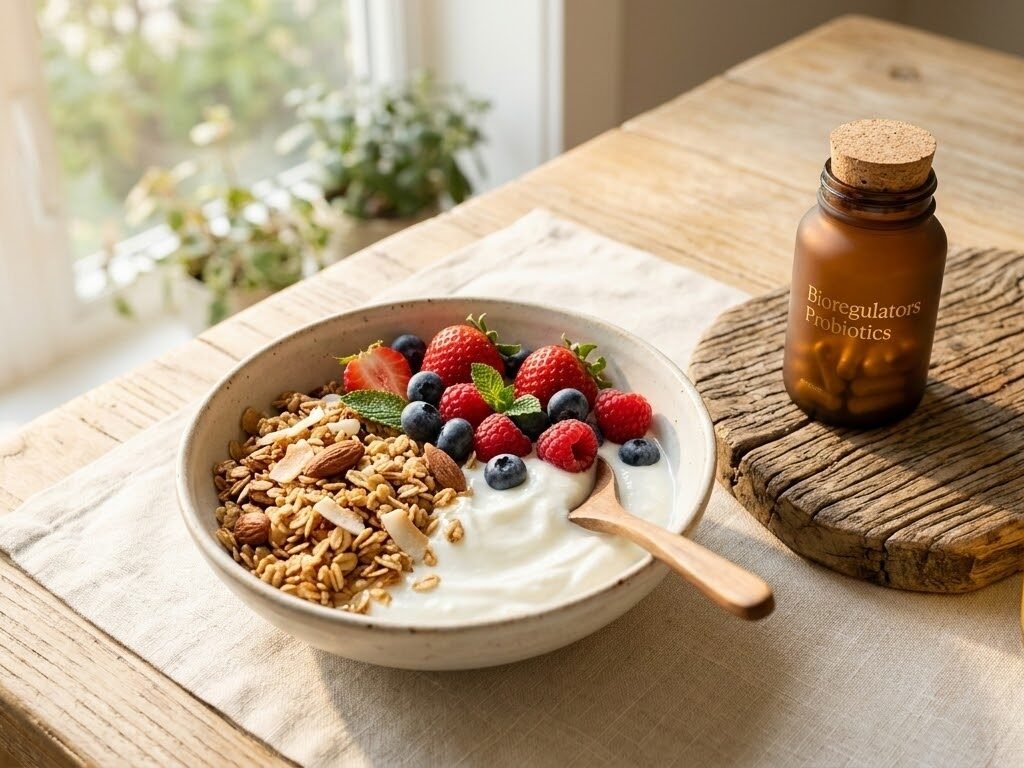
Healthy yogurt breakfast bowl next to a bottle of Bioregulators Probiotic daily supplement.

How Daily Probiotics Transform Your Digestive Wellness

Quick Answer: How Do Daily Probiotics Transform Digestive Wellness?

Daily probiotics introduce beneficial live microorganisms into your gastrointestinal tract. Certain probiotic strains can support gut microbial balance, digestive function, and intestinal barrier health. Depending on the strains used, probiotics may help relieve specific digestive symptoms, such as occasional bloating, and support normal immune function.

The Role of the Gut Microbiome in Daily Health

Your digestive system is home to trillions of microorganisms, collectively known as the gut microbiome. This complex ecosystem influences more than digestion—it also plays a role in immune function, metabolism, and communication between the gut and brain through the gut-brain axis.

Modern lifestyles, stress, dietary changes, and antibiotic use can affect the composition of the gut microbiome, sometimes contributing to digestive discomfort. Daily probiotic supplementation may help support gut health by introducing specific beneficial strains, including Lactobacillus and Bifidobacterium. However, probiotic benefits depend on the strain, dosage, and individual needs.

Key Benefits of Bioactive Daily Probiotics

Integrating an appropriate daily probiotic formula into your wellness routine may provide targeted support for digestive health and overall well-being.

  • Optimal Nutrient Utilization: A healthy gut microbiome helps break down certain food components and supports normal digestive processes. The effects of probiotics on nutrient absorption vary by strain and nutrient.
  • Reduced Digestive Discomfort: Certain probiotic strains may help relieve specific symptoms, including occasional bloating, gas, and irregular bowel movements.
  • Immune Defense Support: The gut plays an important role in immune function. Some probiotics may support the intestinal barrier and influence immune responses, although benefits vary across different strains.

According to the National Institutes of Health (NIH) Office of Dietary Supplements, probiotic effects depend on the specific microorganisms used, and not all probiotics provide the same health benefits.

Integrating Probiotics Into Your Daily Lifestyle

Consistency can help you establish a sustainable gut health routine. Taking your probiotic supplement at a regular time each day may make it easier to remember your daily dose.

I always advise my clients to follow the manufacturer’s instructions when taking a daily probiotic formula. Depending on the product, probiotics may be taken with food or on an empty stomach. There is no single timing recommendation that works best for every probiotic strain or formulation.

Pairing probiotic supplementation with a balanced diet rich in prebiotic fibers, such as oats, flaxseed, legumes, and fresh vegetables, can also support a healthy gut microbiome. These fibers help nourish beneficial gut microorganisms and contribute to normal digestive function.

Exploring Bioactive Digestive Solutions

When selecting gut health supplements, strain identification, product stability, and viable microorganism counts are important considerations. Exploring specialized collections—such as the advanced formulations available in the Bioregulators Product Line—can help you discover options that align with your wellness goals.https://ods.od.nih.gov/factsheets/Probiotics-HealthProfessional/

Choose products that clearly identify their probiotic strains, list the colony-forming units (CFUs), and provide appropriate storage instructions. Look for quality information that confirms the product maintains its stated potency through the end of its shelf life.

Frequently Asked Questions

How Long Does It Take for Daily Probiotics to Work?

Some people notice changes in digestive symptoms within a few days to a few weeks, while others experience little or no noticeable benefit. The timeline depends on the probiotic strain, dosage, reason for use, and individual digestive health.

Should Probiotics Be Taken on an Empty Stomach or With Food?

The best timing depends on the specific probiotic formulation. Some products are designed to be taken with food, while others recommend taking them before a meal. Always follow the manufacturer’s instructions for optimal use.

Can I Take Daily Probiotics Alongside Other Supplements?

Many people can take probiotics alongside common supplements, such as multivitamins, Omega-3 fatty acids, or Vitamin D3+K2. However, individual health conditions and medications may affect what is appropriate. Consult a healthcare professional if you have concerns or take prescription medication.

What Should I Look for in a Daily Probiotic Supplement?

Look for clearly identified probiotic strains, an appropriate CFU count, transparent ingredient labeling, and storage instructions. Choose a reputable manufacturer that provides quality testing and confirms the product’s viability through its stated shelf life.

Important Note: Probiotics are not necessary for everyone, and their benefits are strain-specific. People who are seriously ill or have weakened immune systems should consult a healthcare professional before using probiotic supplements.