
 Cart is empty

Omega-3 fish oil is a popular dietary supplement containing two important omega-3 fatty acids: EPA (eicosapentaenoic acid) and DHA (docosahexaenoic acid). These essential fatty acids play important roles in normal cardiovascular function and overall health.
Research suggests that omega-3 fatty acids can help support healthy triglyceride levels, normal blood pressure, blood vessel function, and overall heart health when consumed as part of a balanced diet.
For people looking to support cardiovascular wellness, understanding how EPA and DHA work can help explain the potential benefits of adding an omega-3 fish oil supplement to a daily nutrition routine.
What Are Omega-3 Fatty Acids?
Omega-3 fatty acids are polyunsaturated fats that the body needs for several important biological functions. Because the body cannot produce sufficient amounts of certain essential fatty acids, they need to come from food or supplements./benefits-of-omega-3-fatty-acids/
The two primary omega-3 fatty acids found in fish oil are:
- EPA (eicosapentaenoic acid): Associated with cardiovascular and inflammatory processes and plays an important role in normal cell function.
- DHA (docosahexaenoic acid): An important structural component of cell membranes, particularly in the brain and eyes, and also contributes to normal cardiovascular function.
Fatty fish such as salmon, sardines, mackerel, and anchovies are naturally rich sources of EPA and DHA. Fish oil supplements provide another convenient way to increase omega-3 intake.
How Does Omega-3 Fish Oil Support Heart Health?
Omega-3 fatty acids may support cardiovascular health through several mechanisms. Their effects are particularly relevant to blood lipid metabolism, blood vessel function, and normal inflammatory processes.
1. Omega-3s Help Support Healthy Triglyceride Levels
Triglycerides are a type of fat found in the bloodstream. The liver produces triglycerides, and the body also obtains them from food.
EPA and DHA can influence how the liver produces and processes triglycerides. At sufficiently high intakes, omega-3 fatty acids can help lower elevated triglyceride levels.
Maintaining healthy triglyceride levels is an important part of maintaining a healthy cardiovascular system.
2. Omega-3s Support Normal Blood Vessel Function
Healthy blood vessels need to remain flexible and responsive so that blood can circulate efficiently throughout the body.
EPA and DHA contribute to normal cell membrane function and may influence pathways involved in vascular function. A healthy diet that provides adequate omega-3 fatty acids can therefore be part of a broader strategy for supporting normal cardiovascular function.
3. Omega-3s Help Regulate Normal Inflammatory Processes
Inflammation is a normal biological response that helps the body respond to injury and other challenges. However, long-term disruption of normal inflammatory processes can affect overall health.
EPA and DHA are involved in the production of signaling molecules that participate in the body’s inflammatory pathways. Adequate omega-3 intake may therefore help maintain a healthy balance of these processes.
4. Omega-3s Support Overall Cardiovascular Wellness
Heart health depends on many factors, including nutrition, physical activity, sleep, body weight, blood pressure, cholesterol, and lifestyle habits.
Omega-3 fish oil should not be viewed as a replacement for a healthy lifestyle. Instead, it can be used as part of a balanced nutritional approach designed to provide essential fatty acids that support normal cardiovascular function.
EPA vs. DHA: What’s the Difference?
Although EPA and DHA are both omega-3 fatty acids, they have somewhat different biological roles.
EPA
EPA is particularly involved in:
- Normal inflammatory signaling
- Cardiovascular function
- Lipid metabolism
- Cell membrane function
DHA
DHA is particularly important for:
- Brain health
- Eye health
- Cell membrane structure
- Normal nervous system function
- Cardiovascular health
A quality fish oil supplement may contain both EPA and DHA, providing complementary nutritional benefits.
When Is the Best Time to Take Omega-3 Fish Oil?
Omega-3 supplements can generally be taken with a meal. Taking fish oil with food, particularly a meal that contains some dietary fat, can help improve absorption and may reduce the likelihood of unpleasant fishy aftertaste or burping.
For convenience, many people choose to take their omega-3 supplement with their largest meal of the day.
The most important factor is consistency. Taking a supplement according to its label directions as part of a regular daily routine makes it easier to maintain a consistent intake.
How Long Does Omega-3 Fish Oil Take to Work?
The time required for omega-3 supplementation to influence measurable health markers can vary depending on factors such as the individual’s diet, baseline omega-3 status, dosage, and the specific health marker being measured.
Changes in blood triglyceride levels, for example, are generally assessed over a period of weeks rather than days.
For this reason, omega-3 supplementation should be considered a long-term nutritional habit rather than something expected to produce an immediate cardiovascular effect.
How to Choose a High-Quality Omega-3 Fish Oil Supplement
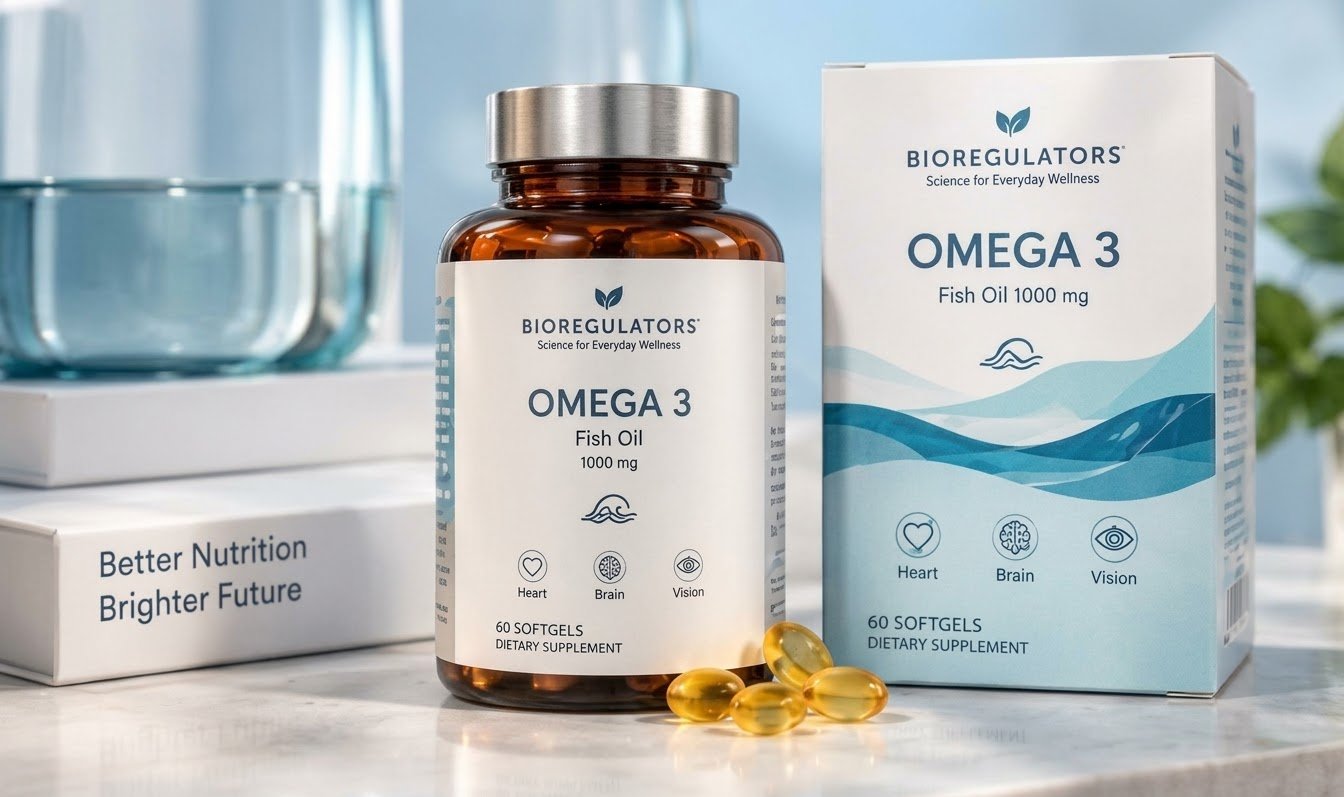
Bioregulators Omega 3 Fish Oil
₨2,499.00Not all fish oil supplements are identical. When choosing an omega-3 product, consider the following factors:
EPA and DHA Content
Look beyond the total amount of fish oil listed on the label. Check the actual amount of EPA and DHA per serving, because these are the omega-3 fatty acids responsible for the primary nutritional benefits.
Purity and Quality Testing
Choose products manufactured according to appropriate quality standards and, where available, supported by independent testing for purity, oxidation, and contaminants.
Freshness and Oxidation Control
Fish oil can oxidize when exposed to oxygen, heat, or light. Proper manufacturing, packaging, and storage can help protect the quality and freshness of the oil.
Clear Supplement Facts
A trustworthy product should clearly state the serving size and the amounts of EPA and DHA provided per serving.
How Should Omega-3 Fish Oil Be Stored?
Follow the storage instructions provided on the product label. In general, keeping fish oil in a cool, dry location away from excessive heat and direct sunlight can help maintain product quality.
Always check the product for its recommended storage conditions and expiration date.
Can Omega-3 Fish Oil Cause a Fishy Aftertastehttps://ods.od.nih.gov/factsheets/Omega3FattyAcids-HealthProfessional/?
Some people experience fishy burps or an aftertaste after taking fish oil supplements.
Taking the supplement with a meal may help reduce this experience. Product formulation, freshness, dosage, and individual digestion can also influence tolerance.
If persistent unpleasant effects occur, follow the product’s instructions or speak with a healthcare professional about alternative formulations.
Are Omega-3 Supplements Suitable for Everyone?https://www.fda.gov/food/dietary-supplements
Omega-3 supplements are widely used, but they are not appropriate for every person or every medical situation.
People who take blood-thinning or anticoagulant medications, have a bleeding disorder, are preparing for surgery, or have a specific medical condition should speak with a healthcare professional before starting a new omega-3 supplement.
Supplements should complement—not replace—a nutritious diet, regular physical activity, and appropriate medical care.
Omega-3 Fish Oil and a Heart-Healthy Lifestyle
Omega-3 fish oil works best as part of an overall healthy lifestyle.
To support cardiovascular wellness, consider combining adequate omega-3 intake with:
- A diet rich in vegetables, fruits, whole grains, legumes, nuts, and healthy fats
- Regular physical activity
- Maintaining a healthy body weight
- Limiting excessive intake of saturated and trans fats
- Avoiding tobacco products
- Getting adequate sleep
- Managing stress
- Regularly monitoring important health markers when recommended by your healthcare professional
Frequently Asked Questions About Omega-3 Fish Oil
What is omega-3 fish oil good for?
Omega-3 fish oil provides EPA and DHA, which support several normal biological functions. Omega-3s are particularly well known for their roles in cardiovascular, brain, eye, and cellular health.
What is the difference between EPA and DHA?
EPA and DHA are both long-chain omega-3 fatty acids, but they have different biological roles. EPA is closely involved in inflammatory and cardiovascular pathways, while DHA is an important structural component of cell membranes, especially in the brain and eyes.
When should I take omega-3 fish oil?
Omega-3 fish oil can be taken with a meal. Taking it with food may improve absorption and can make the supplement easier to tolerate.
Does omega-3 fish oil lower triglycerides?
Higher intakes of EPA and DHA can reduce triglyceride levels. The amount needed can vary, and people with significantly elevated triglycerides should discuss appropriate treatment with a healthcare professional rather than relying on an over-the-counter supplement alone.
How long does omega-3 fish oil take to affect triglyceride levels?
Changes in blood lipid markers generally occur over weeks rather than immediately. The response varies depending on dosage, diet, baseline triglyceride levels, and individual factors.
Can omega-3 fish oil cause fishy burps?
Yes. Some people experience a fishy aftertaste or burping after taking fish oil. Taking the supplement with food and choosing a fresh, properly formulated product may help reduce this issue.
Should I take omega-3 fish oil every day?
If your supplement is intended for daily use, following the serving instructions on the product label can help provide a consistent intake. Always follow the manufacturer’s directions and speak with a healthcare professional if you have a medical condition or take medications.
Can I take omega-3 fish oil with other supplements?
Omega-3 supplements can be used alongside many common dietary supplements, but potential interactions depend on the specific products and medications involved. If you take prescription medications, particularly medications that affect blood clotting, consult a healthcare professional before adding fish oil.
Support Your Cardiovascular Nutrition With Bioregulators
Providing your body with adequate essential fatty acids is one part of a comprehensive approach to nutritional wellness. A high-quality omega-3 fish oil supplement can provide convenient dietary sources of EPA and DHA while fitting easily into a consistent daily routine.
At Bioregulators, our goal is to provide carefully selected supplements that support informed, evidence-based approaches to everyday wellness.
Explore our omega-3 fish oil options and choose a product that clearly lists its EPA and DHA content, quality information, and recommended serving size.